













September 2026

President's Message

Dear Members,

As summer winds down, I want to take a moment to reflect on a few recent events that remind me just how special our optometric community is.

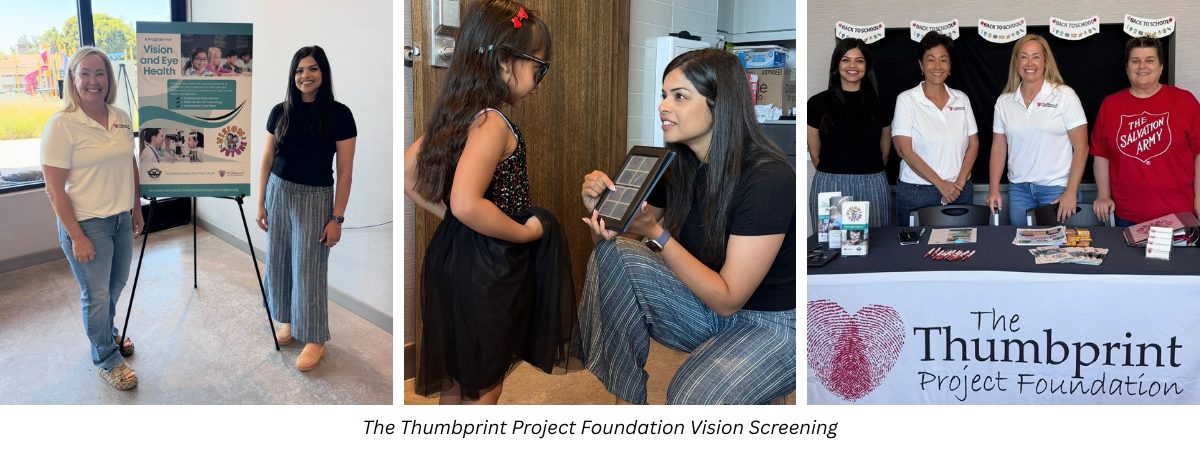
I recently had the opportunity to participate in a vision screening through The Thumbprint Project Foundation, led by Kristie Bruce-Lane. Remarkably, approximately 50% of the children screened were identified as needing glasses. That statistic is an important reminder of the impact we can have when we bring care directly into our communities. We are incredibly grateful for our continued partnership with the Thumbprint Foundation and for Kristie’s dedication to helping provide access to vision care for children who may otherwise go without it.

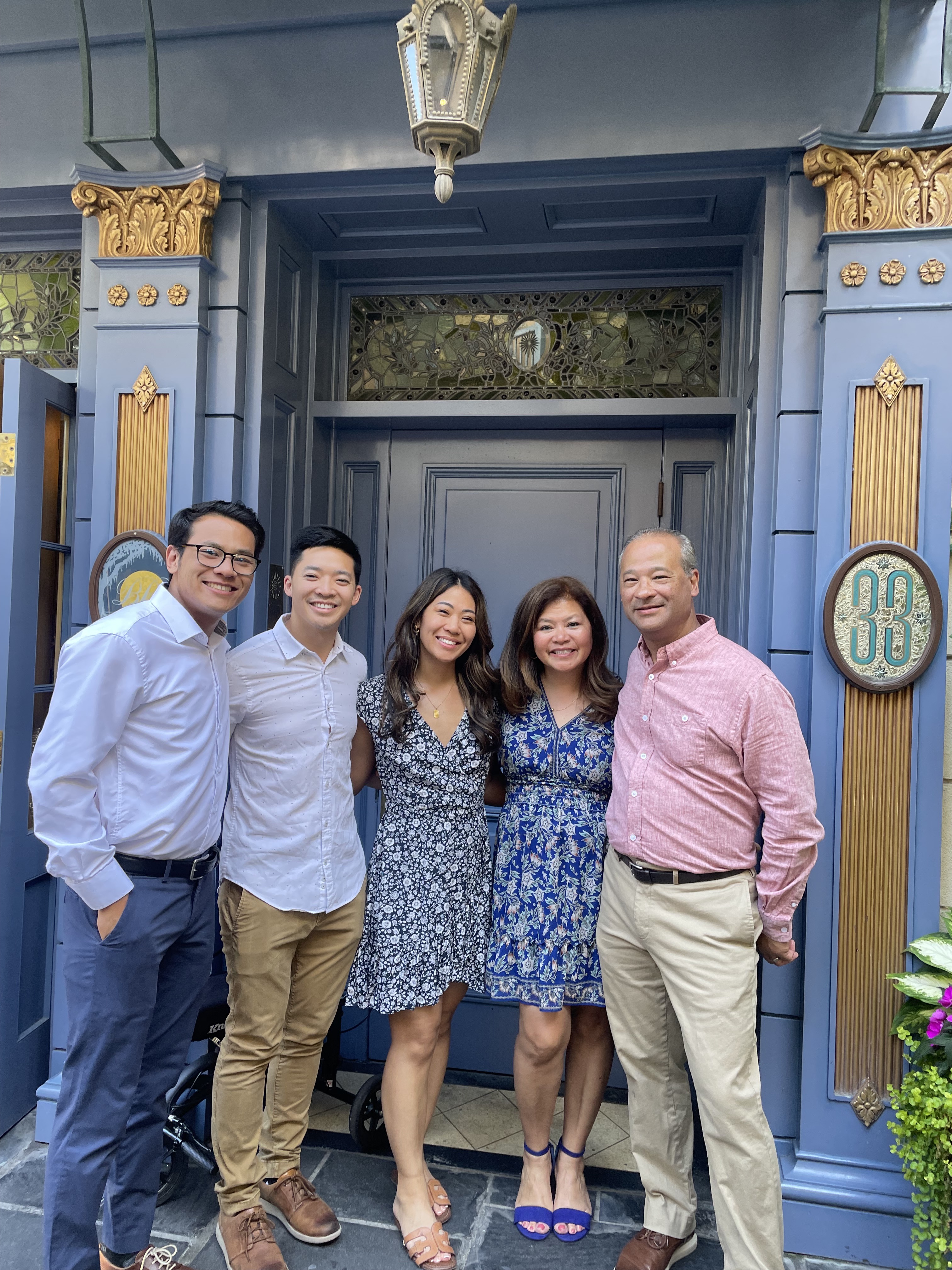
Our latest OD mixer was also a blast — literally! We enjoyed a Padres game together, followed by fireworks to end the night. Despite the heat, it was such a fun evening and a great opportunity to spend time together outside of our usual professional settings. I especially loved that this event was open to families. My son attended his very first Padres game and had the time of his life, which made the evening even more memorable for me.

Looking ahead, we are excited for our next CE event on September 10th, featuring two excellent local MDs. Dr. Nayer will be speaking on glaucoma, and Dr. Foster will be presenting on cornea. We are very grateful for their time, expertise, and continued support of our profession, and we hope to see many of you there.

And finally, stay tuned for details about our next mixer. Rumor has it that there may be a pickleball tournament in our future! Whether you’re a seasoned player or have never picked up a paddle, it should be a fun one.

Thank you, as always, for being part of our community and for everything you do to support our profession and the patients we serve. I look forward to seeing you at an upcoming event!

Warmly,
Sloan Rajadhyksha OD, FAAO, FCOVD

​​​​​​​


Volunteer Opportunity: Lions Optometric Vision Clinic (LOVC)

We are looking for volunteer doctors to participate in vision exams for La Mesa-Spring Valley students this school year. Upcoming clinics include:

- September 25 (Avondale)
- October 2 (La Presa)
- October 23 (La Mesa Dale)
- November 13 (Rolando)
- December 4 (Highlands)
- January 8 (Kempton) and January 29 (Rancho)
- February 5 (Spring Valley Academy)
- February 19 (Bancroft)
- February 26 (Maryland Ave)
- March 5 (Casa De Oro)
- March 19 (Murray Manor)
- April 16 (Sweetwater Springs)

We hope to have at least two doctors at each school. Screenings are completed about three weeks in advance, so you'll know how many students to expect, plus a few additional referrals from teachers.

Hours are typically 9:00 am to 12:00 pm. All equipment is provided.

We also have a need for volunteers at a clinic in Lakeside:
- Wednesday, October 14 at Lindo Park Elementary School from 8:30 am to 4:00 pm: 2 doctors per shift (am and pm).

Interested in volunteering? Contact Michael Brandenburg at mbrandenburg@cox.net. For any questions, contact Dr. Bob Meisel at rmeisel47@gmail.com.

OD Relations Liaison Message

Please contact Dr. Lucia Millet, OD, Society Optometrist Relations Liaison at sdcos@gmail.com to be put on an official list for the following:

  • Fill-in/part-time work
  • Full-time work
  • Purchase/partner in/sell a practice


This service is offered free of charge to SDCOS members. 

Upcoming CE Meeting (Save the date!)

  • Location: WestPAC Headquarters: 5280 Carroll Canyon Rd Suite 300, San Diego, CA 92121
  • September 10th - 2 hr CE
  • Featuring Alex Foster, M.D.. Topic: Cornea Review: DSEK/DMEK and Zacharia Nayer, M.D. Topic: Glaucoma

Register here.

View Full 2026 Calendar
 

OD Mixer: Padres Game
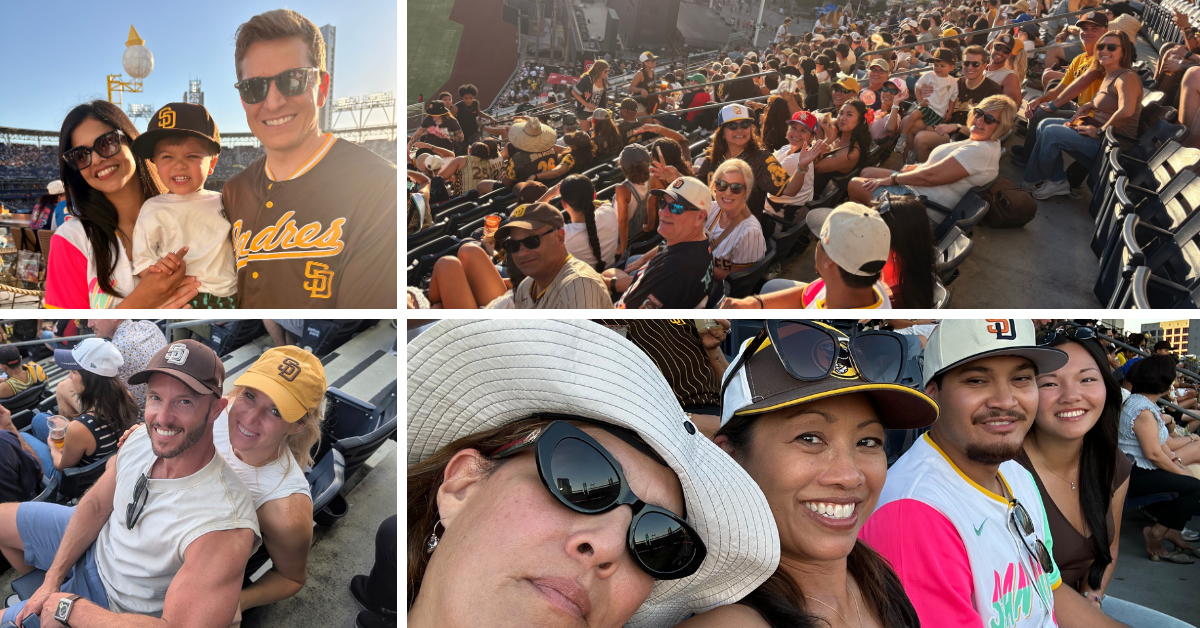


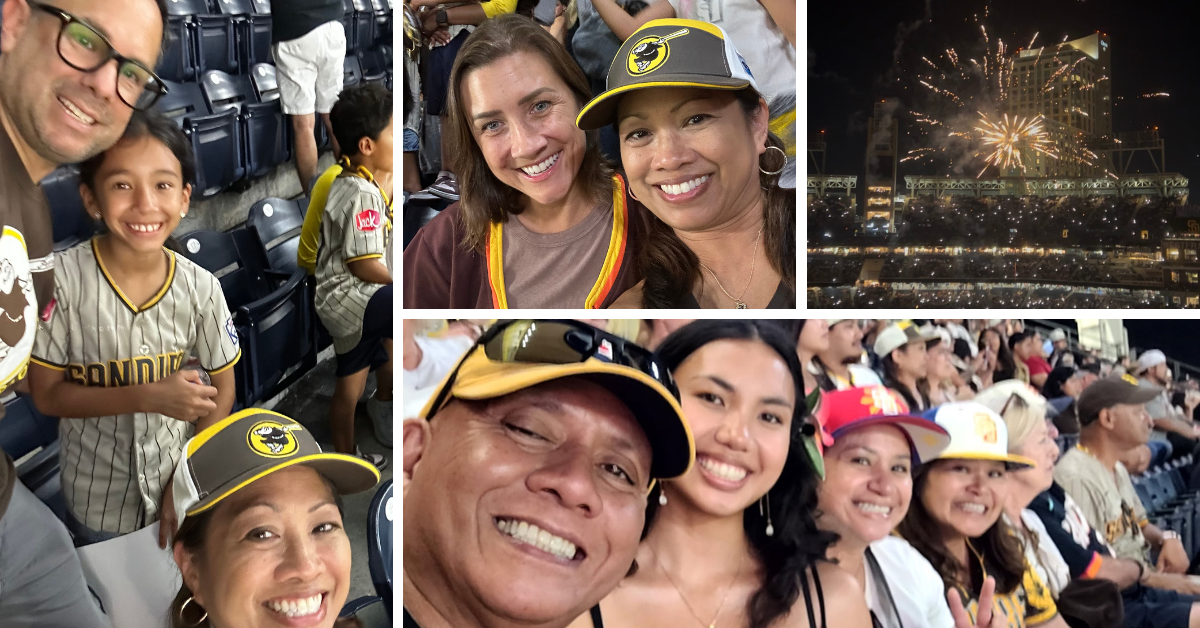
What a night at Petco Park! SDCOS members and their families cheered the Padres to a 7-5 victory over the Twins, enjoying great company despite the summer heat. The evening wrapped up with a spectacular fireworks show. Thanks to everyone who joined us!

Stay tuned for details on our next mixer. Could a pickleball showdown be on the horizon?
OMD Corner

From New Vocabulary to New Treatment: Photobiomodulation for Dry AMD

Angelique Pillar, MD
One to One LASIK / NVISION Eye Centers

Ten years ago, most of us were not using the term photobiomodulation (PBM) in everyday clinical conversation. In fact, although the biological effects of low-level light therapy had been studied for decades, “photobiomodulation therapy” was not incorporated into the National Library of Medicine’s standardized MeSH vocabulary until 2015.

Fast-forward just over a decade, and PBM has moved from an unfamiliar term to an FDA-authorized treatment for selected patients with dry age-related macular degeneration (AMD)—and one that we are now bringing into our practices in Clairemont and Alvarado.

That is a remarkably short journey from vocabulary to clinical practice.

What Exactly Is Photobiomodulation?

PBM uses specific wavelengths of nonthermal light to influence cellular activity. Unlike retinal photocoagulation, the goal is not to create a thermal effect or destroy tissue. Instead, PBM is thought to act primarily at the mitochondrial level, improving cellular bioenergetics and modulating oxidative stress and inflammatory signaling.

This mechanism is particularly interesting in AMD because mitochondrial dysfunction, oxidative stress, and chronic inflammation are believed to contribute to dysfunction of the retinal pigment epithelium and subsequent photoreceptor loss.

The Valeda Light Delivery System delivers three wavelengths—590 nm, 660 nm, and 850 nm—to the retina. Rather than asking light to ablate, coagulate, or activate a drug, as we have traditionally done in ophthalmology, we are using light to alter cellular function. That represents a very different therapeutic concept.

Why Valeda Is Different

In November 2024, the FDA granted De Novo authorization to the Valeda Light Delivery System, establishing a new Class II device category for light-based treatment of dry AMD.

The authorization was based in large part on the randomized, sham-controlled LIGHTSITE III trial, which studied 100 patients representing 148 eyes with dry AMD. Patients underwent a series of nine PBM treatments, generally three treatments per week over three to five weeks, with treatment series repeated approximately every four months.

At the 13-month analysis, PBM-treated eyes gained an average of 5.4 ETDRS letters compared with 3.0 letters in the sham group. Longer-term LIGHTSITE III data continued to demonstrate a visual acuity benefit, with the study meeting its prespecified BCVA endpoint at 21 months.

This is an important distinction when discussing PBM with patients: Valeda is not simply another red-light wellness device. It is an FDA-authorized ophthalmic medical device supported by prospective, randomized clinical trial data.

Who Is a Candidate?

The FDA indication is relatively specific.

Valeda is intended to improve visual acuity in patients with dry AMD and best-corrected visual acuity between 20/32 and 20/70 who have:

· At least three medium drusen measuring >63 µm to ≤125 µm, or

· At least one large druse >125 µm, or

· Non-central geographic atrophy,

with no neovascular maculopathy or center-involving geographic atrophy.

For those of us accustomed to counseling patients with intermediate dry AMD primarily about AREDS2 supplementation, diet, smoking cessation, UV protection, Amsler monitoring, and observation, this creates an entirely new conversation.

Importantly, Valeda is not intended to replace those measures, nor is it a treatment for neovascular AMD. Careful OCT evaluation remains essential to exclude conversion to wet AMD before treatment.

What Does Treatment Look Like?

One of the attractive aspects of PBM is that it is noninvasive.

A treatment cycle consists of nine sessions per eye over approximately three to five weeks. In our practice, we plan to schedule treatments three times weekly over three weeks. There are no injections, incisions, or postoperative drops associated with the treatment itself.

From an optometric comanagement perspective, I think this is where PBM may become particularly interesting. Many of these patients have been followed by the same optometrist for years. You already know which patients have progressing drusen, declining acuity, increasing visual complaints, or a family history that makes them particularly anxious about AMD.

Rather than replacing that relationship, PBM creates another potential tool within it.

From 2015 to San Diego

Perhaps what I find most fascinating about Valeda is how quickly the field has evolved.

In 2015, the National Library of Medicine was only beginning to formally index the term photobiomodulation therapy. Less than a decade later, randomized ophthalmic clinical trials were demonstrating measurable visual outcomes, and in 2024 the FDA created an entirely new device classification for light-based treatment of dry AMD.

Now, in 2026, we are implementing Valeda PBM locally in our NVISION Clairemont and Alvarado practices.

There are still questions to answer. We will learn more about which patients respond best, the durability of treatment, optimal retreatment intervals, and how anatomical biomarkers correlate with functional improvement. PBM should not be presented as a cure for AMD, and appropriate patient selection and expectations remain important.

But for a disease in which we have spent decades telling patients with intermediate dry AMD that our primary strategy is to reduce risk and monitor for progression, the arrival of an active, noninvasive treatment is noteworthy.

PBM may be a relatively new addition to our clinical vocabulary, but I suspect it is a term that San Diego eye care providers will be hearing—and using—much more frequently in the years ahead.

References

1.     Anders JJ, et al. Low-level light/laser therapy versus photobiomodulation therapy. Photomed Laser Surg. 2015;33(4):183-184.

2.     Boyer D, et al. LIGHTSITE III: 13-month efficacy and safety evaluation of multiwavelength photobiomodulation in nonexudative (dry) age-related macular degeneration using the LumiThera Valeda Light Delivery System. Retina. 2024;44(3):487-497.

3.     U.S. Food and Drug Administration. De Novo Classification Request DEN230083: Valeda Light Delivery System. Decision date November 4, 2024.

SDCOS Board of Directors

Click to view board of directors

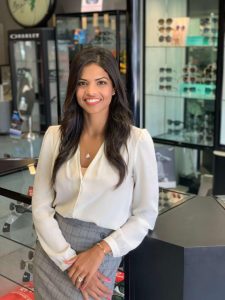
SDCOS Member Spotlight: Dr. Beverly Bianes

We're excited to feature Dr. Beverly Bianes in this month's Member Spotlight!

Dr. Bianes has navigated a dynamic career path in optometry, moving from independent practice to private equity, then to Total Vision, and now with VSP. A graduate of the Southern California College of Optometry (SCCO), Class of 1991, she has built a career rooted in connection and continuity of care.

Her favorite aspect of the job is seeing longtime patients and their families across generations, a testament to the deep relationships she has built over the years.

If she weren't an optometrist, she'd be a backup hip hop dancer. We love the confidence!

The last book she read was "Living Your 4th Quarter Intentionally, with No Regrets" by Matthew Kelly. A fitting read for someone clearly living life on her own terms.

Outside the office, Dr. Bianes loves e-biking around San Diego, one of the best cities in the world to do exactly that.

Her advice to her younger self: Say yes to things that scare you.


Thank you, Dr. Bianes, for sharing your story with the SDCOS community!
Thank You, WestPac Wealth Partners!

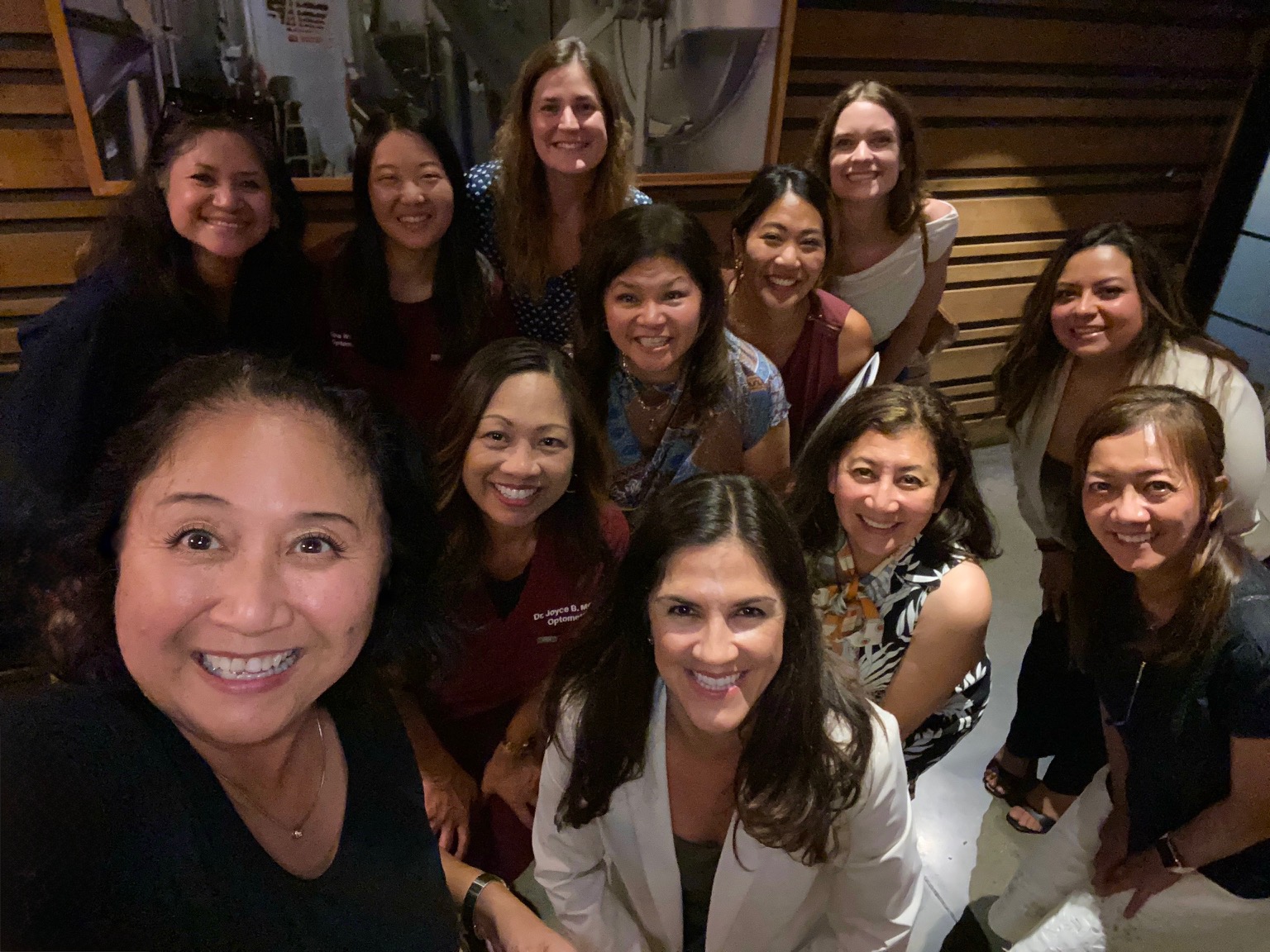
A heartfelt thank you to Nichole Mayer and WestPac Wealth Partners for hosting our Women Optometrists of San Diego County financial education evening at Karl Strauss Sorrento Valley on August 20. "Financial Confidence: The Basics & Beyond" was a wonderful night of conversation covering cash flow, investing, retirement, tax planning, and financial decisions unique to women. We are grateful for Nichole's warmth and generosity, and we look forward to a future case study evening together!

If you have questions about the topics discussed or would like to explore working with Nichole, she welcomes you to reach out for a complimentary one-on-one conversation. Contact Nichole Mayer, CExP™, CFP®, RICP® at (619) 684-8625 or Nichole.Mayer@WestPacWealth.com.
Get Recommended by ChatGPT | Exclusive Discounts for SDCOS members!


Our Sponsors